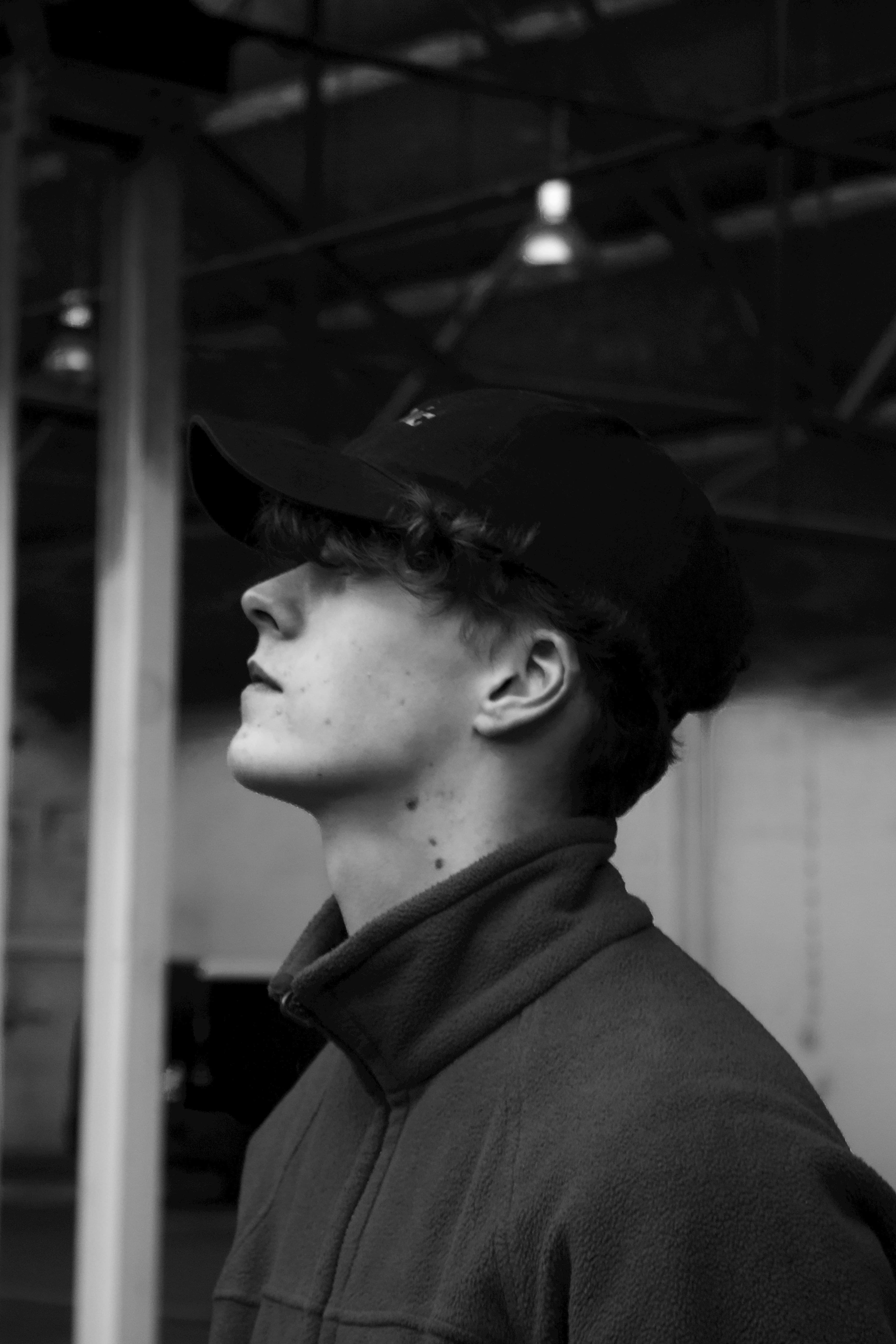
Hunter eyes are the single most discussed facial feature in looksmaxxing communities — and for good reason. They're also one of the most misunderstood. This guide covers exactly what hunter eyes are, why they matter for Omoggle scoring, and what you can actually do about them.
What Are Hunter Eyes?
Hunter eyes refer to a specific eye area configuration characterized by:
- Positive or neutral canthal tilt — outer eye corner sits at or above the inner corner
- Deep-set, hooded upper eyelids — minimal upper eyelid exposure
- Low brow position — eyebrows sit close to the eyes
- Minimal scleral show — little to no white visible below the iris
The term "hunter" comes from the association with predatory animals, which have forward-facing, deep-set eyes. The opposite is "prey eyes" — round, wide, with visible white below the iris and a negative canthal tilt.
Why Hunter Eyes Matter on Omoggle
Omoggle's computer vision system measures canthal tilt as one of its six primary metrics, weighted at approximately 18% of your total score. The eye area is also factored into the overall harmony score. Combined, the eye area influences roughly 25–30% of your final Omoggle score.
This is why optimizing your camera angle — which emphasizes whatever positive canthal tilt you have — produces such consistent score improvements. See: how to win on Omoggle.
Can You Get Hunter Eyes Without Surgery?
Honest answer: you can improve the appearance of your eye area, but you cannot fundamentally change your bone structure without surgery. Here's what actually works:
What works: body fat reduction
Higher body fat creates periorbital fat deposits that make eyes appear rounder and more exposed. Getting lean (12–15% body fat) tightens the eye area and often reveals whatever positive canthal tilt you have underneath. This is the highest-ROI change for most people.
What works: camera angle optimization
Shooting from slightly above eye level (15–25cm higher than your eyes) naturally emphasizes positive canthal tilt on camera. For Omoggle specifically, this is the most immediate way to improve how the AI reads your eye area. Full guide: best camera angle for Omoggle.
What works: sleep quality
Sleep deprivation causes periorbital puffiness, dark circles, and increased scleral show — all of which move your eye area toward "prey eyes" territory. Consistent 8-hour sleep on your back measurably improves eye area appearance. See: sleep looksmaxxing guide.
What partially works: mewing
Some evidence suggests proper tongue posture may influence maxillary position over time, which affects the undereye area. The effect in adults is modest at best. Worth doing for other reasons — it costs nothing and has no downside. See: mewing guide.
What doesn't work: eye exercises
No peer-reviewed evidence supports exercises changing canthal tilt or eye shape. The orbital bones determine these measurements. Save your time for the interventions above.
What works but is permanent: surgical options
Lateral canthoplasty repositions the outer eye corner upward, directly creating positive canthal tilt. This is a significant surgical procedure with meaningful recovery time and cost. Only relevant to mention in context — most people reading this guide should exhaust softmaxxing options first.
Eye Area Checklist for Omoggle
- ✅ Get body fat to 12–15% range
- ✅ Sleep 8 hours on your back
- ✅ Camera 15–25cm above eye level for sessions
- ✅ Practice mewing (free, no downside)
- ✅ Avoid alcohol (causes puffiness)
- ✅ Use eye cream with caffeine (reduces undereye puffiness)
Test your eye area score with our free AI Face Analyzer — it scores canthal tilt as one of six individual metrics and gives you a specific number to track.